Walk-and-Talk Therapy · Knoxville, TN
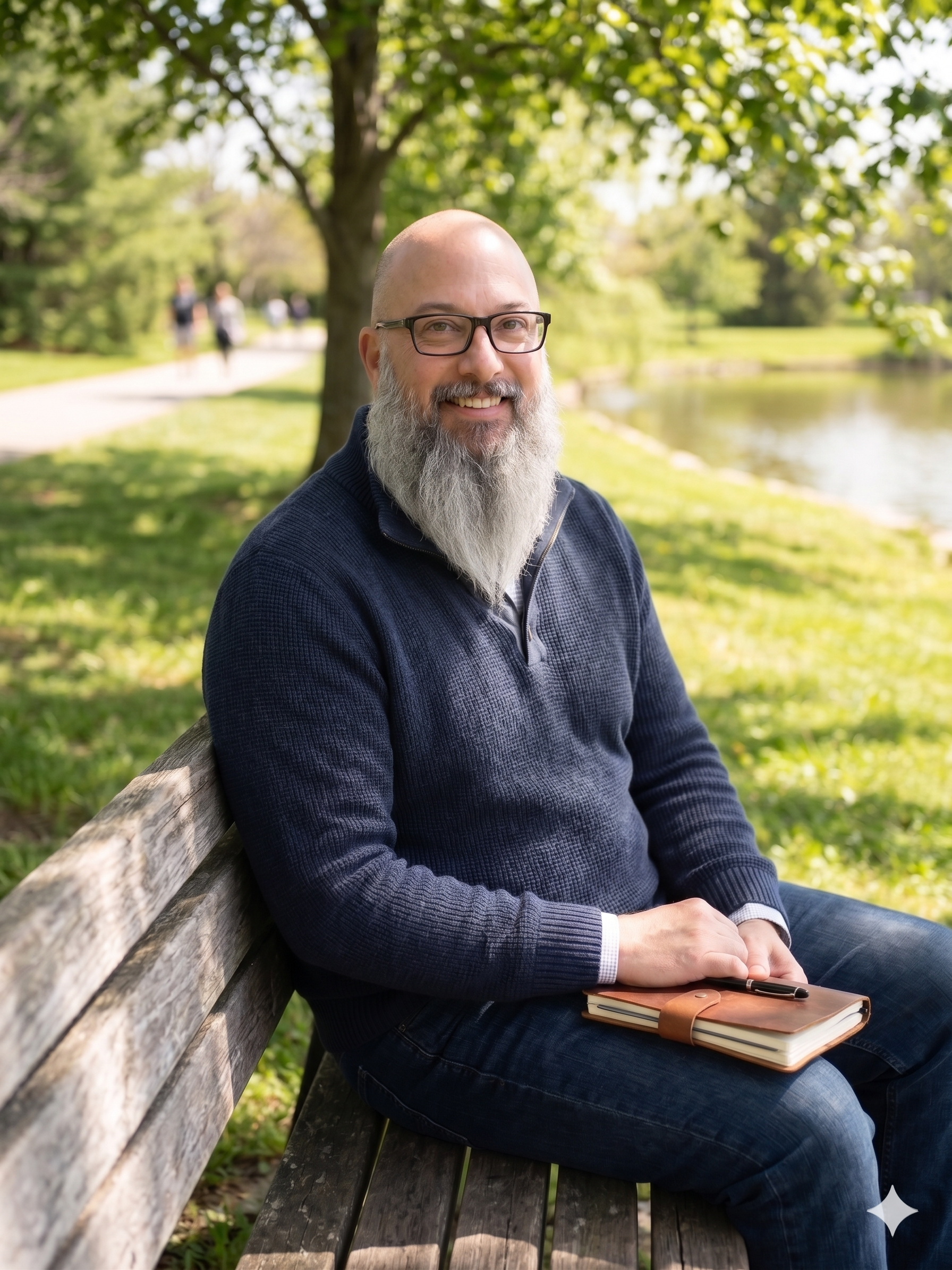
Walk-and-Talk Therapy and Coaching
Most people assume therapy means a chair, an office, and a closed door. It doesn't have to. Sometimes the work moves better when you do. If sitting still has never been how you process anything, you don't have to start now.
Who This Is For
You’d Rather Be Doing Something Than Just Talking About It.
A lot of people, especially men, never make it to a second session of regular counseling. Not because the work didn't matter to them, but because sitting across from someone in a small room felt like the wrong way to deal with anything. It can feel confrontational. Or just unnatural. If that describes you, you're not broken and you're not unusual. You just need a different format for the same conversation.
This also tends to fit people who already know movement helps them think. People who've spent years living indoors and behind screens and can feel what that's done to them. High-stress professionals who'd rather get a walk and a real conversation out of an hour than another chair, another desk, another room.
What you're carrying might look like one of these:
A body that’s been sitting all day and a mind that won’t settle in one more chair
A habit of opening up more when you’re moving than when you’re being looked at
Stress that lives in your shoulders, jaw or core as much as in your thoughts
A sense that you’ve gotten too comfortable inside, behind a screen, away from your own life
A wall that goes up the second this starts to feel like something real
None of that means the indoor work is wrong for you. It means there’s another way in, and for some people, it works better.
The trail doesn't care what you're carrying. It just asks you to keep walking.
What Changes Outside
It’s the Same Work. The Room Just Got Bigger.
This isn't a different kind of therapy or coaching. It's the same work we'd do across a coffee table, moved outside. What changes is what becomes possible. Side by side, without someone looking directly at you, some people open up about things they'd never bring up conventionally. The pressure of being watched goes away, and what's underneath gets a little more room to surface.
The trail itself becomes part of the conversation. A steep climb starts to feel like whatever's hard in your life right now. A loop that just keeps circling back can feel exactly like being stuck in the same thinking, over and over, getting nowhere. A stretch along the water, where the temperature drops and you notice it on your skin, is a built-in reason to come back to right now, this breath, this step. You don't have to manufacture the moment. The path gives it to you.
And the reverse is true too. Some things only come up because you're in the privacy of an office with the door closed. This format doesn't replace that. It's another way in, not a better one.
The Work
This Usually Isn’t Where We Start. It’s Where We Go Once We Know Each Other.
Walking isn't typically how a first session goes. It tends to come up a few sessions in, once we've built some footing together and I've noticed something specific that movement might help with. Maybe it's time to take the noticing we've been practicing in the room and put it to work in your actual body, in actual motion. When that moment shows up, I'll ask if you're open to trying a session outside, and I'll tell you exactly why I think it fits where you are right now.
Where We Go Depends on What We’re Working On.
I work in places I know well, not unfamiliar ground. Depending on what's useful for you, that might be Victor Ashe Park or Ijams Nature Center for a standard session close to home, the longer loop at Norris Dam State Park when there's no real stopping point and the work calls for that kind of stretch (the kind that gets your mind muttering "are we there yet" before you're halfway through), or the tight quarter-mile loop at Nicholas Ball Park when the work is about a thinking pattern that keeps circling back on itself without arriving anywhere. Meads Quarry and the Forks of the River Wildlife Management Area are also in regular rotation. The terrain isn't random. It's chosen to match the work.
Sessions Can Run Long, If the Work Calls For It
A standard session works the same way any other session does. But walk-and-talk can also stretch into something longer, a few hours on a longer trail, built around a specific experience rather than a fixed clock. There's no published rate for that kind of extended session, because it depends entirely on what we're building together. We figure that out when the time comes.
Whatever we encounter out there, a hill, bad weather, a stranger passing by, isn't a disruption to the work. It's material for it. Or it’s not, sometimes it just is what it is.
Worth Knowing Before We Start
This Isn’t the Right Fit for Everyone, and That’s Fine.
If the thought of crying, or losing it, in front of a stranger on a public path would be mortifying for you, this probably isn't where we start. Some material needs the privacy of a closed door, at least at first. We can always move outside later, once there's more safety built between us.
I also won't take a session into terrain I don't already know. If a trail or park isn't familiar to me, we're not going there. That's a hard line, not a preference.
This format works alongside whatever we're already doing together. It's not a separate track and it's not required. If it's not a fit for you, the work continues exactly the way it would otherwise.
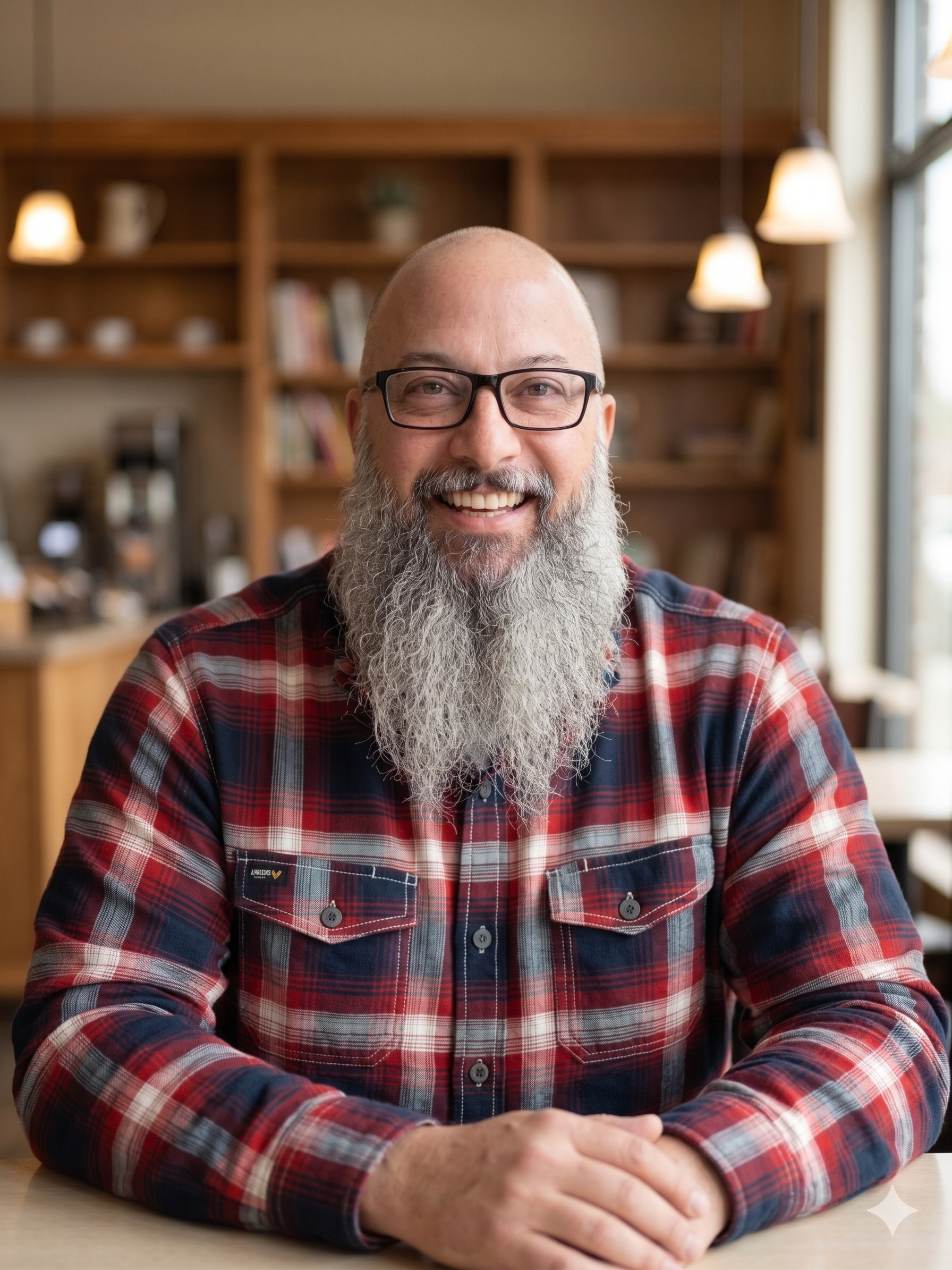
Who You’d Be Working With
Same Approach, Different Ground.
My name is Todd Davis, PhD in Counseling, M.Ed. Marriage and Family Therapy, and a Licensed Alcohol and Drug Abuse Counselor (LADAC II).
I've been doing this work for 25 years. I use the same approach outside that I use across the coffee table. The setting changes. The work doesn't.
I don't bring this option up as often as I probably should. When I do, it's because I've noticed something specific, a moment where I think getting you up and moving will do more than another conversation in a chair.
Let’s Get Moving
You don't have to sit still to do this work.
Knoxville · Various Trails and Greenways by Arrangement · Telehealth Available Across Tennessee
The first conversation is free and takes 30 minutes, and it doesn't have to be outside. We'll talk about what's going on, whether walk-and-talk makes sense for you, and what that could actually look like. No pressure either way.