
Beyond "White-Knuckling" : The 4 Essential Skills for a Workable Recovery

Beyond White-Knuckling
There is a common misconception that recovery is about "surviving" your life through sheer willpower. We are told to "be strong," which most people interpret as "stiffen your spine and hold your breath." But in the real world, things that are rigid eventually snap.
At Emerging Strength, we believe that flexible is stronger than white-knuckling. True strength isn't found in the independent "lone wolf" type; it’s found in the person who builds a team and masters their inner experience. When you can navigate the things that once seemed uncontrollable, you no longer need a substance to tolerate your own existence. This is how we move past the powerlessness and the shame that started this cycle.
1. The Skill of "Unhooking"
When people say, "I’m hooked," they are describing a visceral sense of being trapped. Imagine a fish snagged on a line. Its natural instinct is to thrash and fight. But in that struggle, the hook sets deeper. The harder the fish fights the line, the more the line dictates its every move.
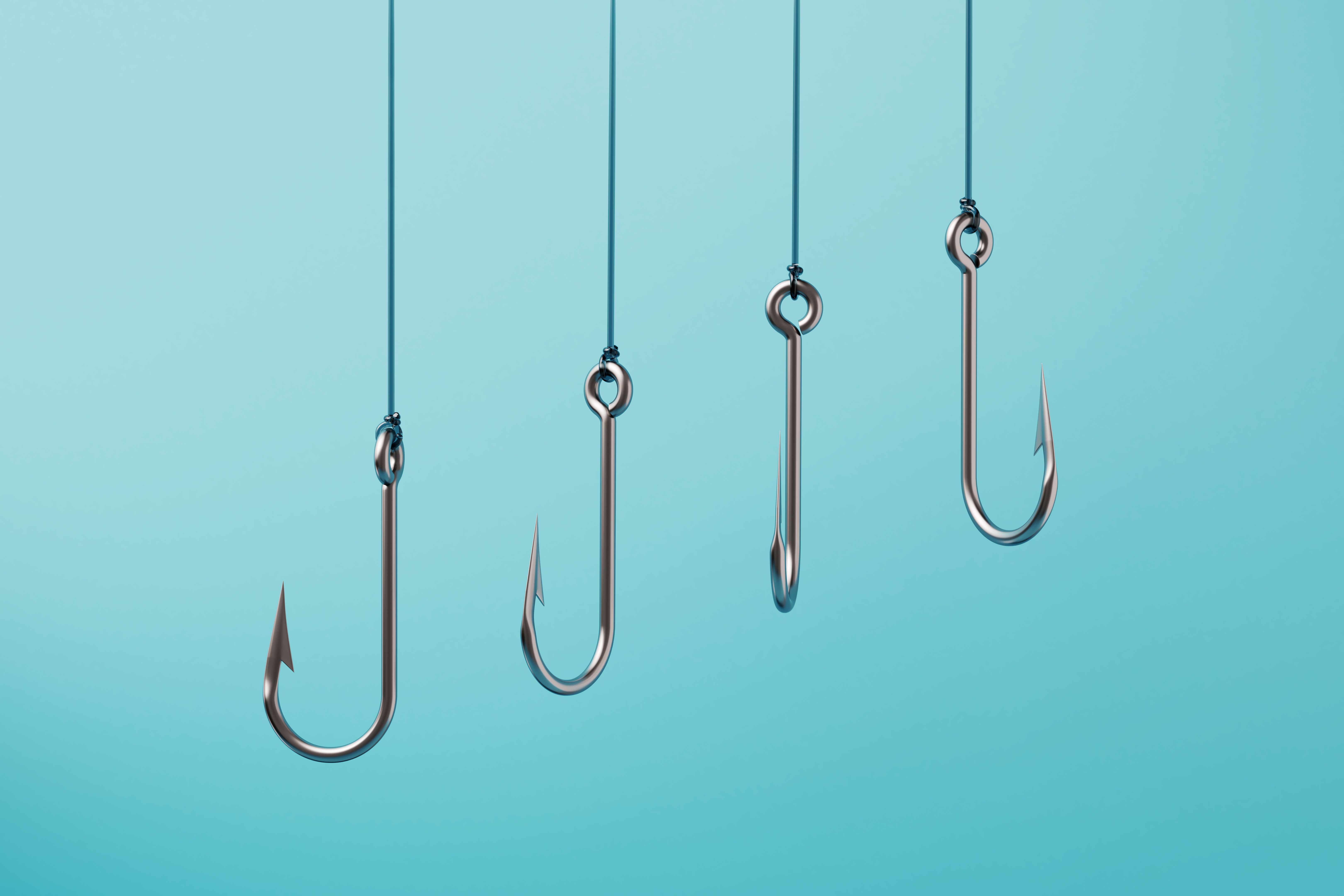
In your life, the "hooks" are internal: a sudden craving, a memory of the substance, or an intrusive thought that says, "You’ve had a hard day; you deserve this." Your instinct is to argue with these thoughts or try to suppress them. This is "white-knuckling." It’s an exhausting, high-stakes battle that usually ends in relapse because you eventually run out of energy to fight.
We use the ACT Matrix to develop the skill of unhooking. Instead of thrashing against the line, you learn to notice the "snag" without letting it move your body. You learn to observe the urge, create space between the thought and your hand, and drop the struggle. You realize that you can have the "hook" in your mind while keeping your hands firmly on the steering wheel of your life. This isn't powerlessness; it is the ultimate form of self-control.
2. Silencing the Inner Accuser
Most people who struggle with addiction are trapped in a hostile internal environment. If every mistake triggers an internal Accuser—a voice that lists your failures, mocks your efforts, and fuels your shame—then your own mind becomes a source of self-inflicted suffering.

Traditional "tough love" models often play right into this, using confrontation and guilt to "break" a person. But you cannot shame yourself into a version of yourself that you love. By developing Psychological Flexibility, we learn to observe the Accuser without buying into the verdict. We shift the inner dialogue from a prosecution to a process of objective observation.
When you master your inner experience, you stop making things worse with self-inflicted shame. This doesn't mean life's natural challenges disappear; it means that the suffering that is simply part of being human can be accepted and held lightly. Instead of being paralyzed by the Accuser, you gain the freedom to choose—to live in the direction of a life you value and a person you respect, even when the inner noise is loud.
3. The 'We Matrix': Strategic Intimacy and Rebuilding the Team
Traditional rehab often isolates the "addict" as the problem to be fixed, leaving the partner as a wary spectator. This creates a "surveillance state" where the person in recovery feels they must perform perfection, while the partner lives in a state of hyper-vigilance, waiting for the "other shoe to drop."

The We Matrix is about ending the war and rebuilding the team.
First, we take the necessary time to validate the partner's experience. We don't skip over the betrayal, the mistrust, or the feeling of being unloved. That pain is real, and it must be heard before any rebuilding can happen.
Then, we move into Functional Intimacy. Instead of "being strong" by hiding insecurities, we use the We Matrix to share our internal worlds strategically. When you can say to your partner, "I'm noticing a hook right now, and I'm feeling the pull toward an old behavior," and they can hear that as a win for honesty rather than a reason to panic, the dynamic shifts. You are no longer two people hiding from each other; you are a team using a shared language to navigate the "uncomfortable" of life together.
4. Building a Life You Love: Beyond the Overwhelming To-Do List
Standard recovery programs often bury you under a mountain of expectations. You’re told to obsess over triggers, defend against risky situations, and keep yourself "busy" with an endless loop of meetings and step-work. It becomes a frantic, anxiety-ridden to-do list. You spend so much time defending against a relapse that you forget to actually live.

If your life is only defined by what you are avoiding, it eventually feels like a cage.
Building a Life You Love is different. It is intentional. It is the process of taking control through values-driven, committed actions. We don't just look for "triggers" to run away from; we look for satisfaction, meaning, and purpose to move toward.
When you are building a life that feels rich and tailor-made for you, sobriety is no longer a chore you have to perform—it is the natural byproduct of your success. In moments of challenge, we stop looking at the "don'ts" and instead look at the aspiring self. We ask:
"Imagine the person you are aspiring to be: how would that person approach what you are about to do?"
True strength isn't about how hard you can grip the handle; it's about how effectively you can build a life you actually love.
Next Steps: Toward a more Workable Recovery
If you have been in the recovery universe for a minute or two then you know doing the same thing over and over again just gets you the same thing over and over again. This is a sure sign that you need a more workable recocery. We can help you get unhooked, silence the inner accuser, end isolation, and find your path forward into a life you love. Let's work together to build a life you love.
Book a Free Consultation Today