

Couples Counseling · Addiction & Marriage · Knoxville, TN
You’ve Been Here Before. That’s a Problem.
The first time, you held on to hope. Maybe the second time too. But relapse has a way of making hope feel naive. You're not sure what you're holding onto anymore, or whether holding on is even the right thing to do.
If This is Where You Are Right Now
This Isn’t Just About Drinking. It Never Was.
Relapse isn't simply a return to consuming. It's a turning away from honesty, from vulnerability, from the commitment to face life's hard things together. The substance becomes the place your spouse goes instead of coming to you. And you feel that, even when you can't name it.
For the partner living with this, the pain is real. So is the way it compounds. Each relapse lands on wounds that haven't healed from the last one. Some of that is what your spouse is doing. Some of it is that you haven't yet built the skills to carry something that keeps happening, and that your own ways of coping with it are probably creating problems too. An ultimatum is a power move. It's also a desperate one. Do this or else is what someone says when they've run out of other options and they need their partner to wake up and show up. The anger in it is real. So is the exhaustion and the resentment underneath it.
For the person who relapsed, the picture is more complicated than it looks from the outside. Values don't disappear when someone returns to consumption. What happens is that the pain exceeded the capacity to carry it, and relief won. There's also this: alcohol and other substances are powerfully addictive. Getting hooked isn't a moral failure, a character flaw, or their identity; it's what exposure to an addictive substance can do to a person. That's not an excuse. It's an explanation. And it's a place where real work needs to be done.
A Different Way to Look At This
You and your spouse just experienced serious mid-air turbulence and there is more to come, flying high over a rugged wilderness. Until now the plane has been running on autopilot. That's not enough anymore.
What’s Actually Happening Here
Why Can’t They Just Choose Differently?
The question you're contemplating is why did this relapse happen. That could have a million answers and most of them aren't even helpful. What you are really doing is creating a narrative that says relapse happens because of this and that.
Here's the truth: relapse happens because addictive substances lead to addiction. That's what they do. It isn't a moral failure or a character defect, it's a treatable condition that got its hooks in them and your relationship.
Your relationship could be a safe place for healing and growth when both of you are working to keep the plane in flight in clear skies and stormy ones.
Where Couples Get Stuck
Both People Are Keeping Secrets.
The partner living with relapse often arrives with a specific request: make them stop. What's underneath that request is more layered, the exhaustion of carrying the load alone, the grief of a marriage that keeps falling short of what it was supposed to be, the question of whether this is just who their spouse is. And the anger. Real anger that finds places to go and people to blame.
The relapse hasn't just hurt the relationship. It's made the partner question their own judgment. They chose this person. They stayed. What does that say about them? That question isn't easier or harder to sit with than any other, it just sits there, and it deserves to be addressed rather than dismissed.
The person who relapsed is carrying something too. Shame is almost always present, not always visible, but present. Shame doesn't produce change. It produces hiding. And hiding is exactly the dynamic that makes relapse more likely, not less. What the person who relapsed needs is not more accountability; but a place where they can be honest about their suffering without it being used against them.
Both people want a spouse who is on their side. Relapse keeps making that feel impossible. So does being judged abnormal. The anger builds on both sides and it has to go somewhere.
Keeping those things private is part of what keeps both people stuck. When they get spoken, to the right person, at the right time, the picture starts to change.
What The Work Requires
This Takes More Than Good Intentions. It Takes New Skills
When a marriage has been through repeated cycles of relapse and repair, both people's nervous systems have learned to brace. Trust has been replaced by vigilance. Conversations that should be simple carry the weight of everything that's come before.
What both people need before the deeper relational work can happen is a floor of concrete skills. The first one is knowing when to pump the brakes, recognizing that the conversation isn't working, that someone is activated, and that trying harder right now will only do more damage. From there: ways to say what actually happened, hear what was actually said, and ask for what you need. Those skills sound simple. They aren't. And without them, the important conversations keep producing the same wreckage they always have.
That's where the work starts. Not with hope. Not with promises. With the willingness to have the conversation at all, and then the next one, and the one after that. Two pilots learning to fly together through stormy weather.
Trust has been replaced by vigilance.
How This Unfolds in Practice
Two Seats. One Airplane. All Three Need Attention.
When a couple comes to this work after a relapse, they don't arrive as one person with a problem and one person along for support. They arrive as two individuals in severe turbulence, and a relationship that has just taken a serious hit. The work has to address all three.
For the person who relapsed, the work is about building the capacity to hold suffering without reaching for the relief switch. Not white-knuckling. Building a life with enough meaning and enough support that consumption stops being the most available answer when things get hard. That work often has an individual component separate from the couples work.
For their partner, the work goes far beyond patience or forgiveness. It's their own healing, the compounding injuries, the erosion of trust, the identity that quietly got reorganized around monitoring and predicting someone else's consumption. That person needs to rebuild a sense of themselves that isn't defined by this crisis. That work is just as real as anything happening in the other seat.
And for the relationship itself, the goal is to rebuild it into something that functions as a genuine source of belonging for both people. Not a system of policing and disappointment. A partnership, experienced as “we”. That's a different structure than most couples in this situation have ever had. Building it is the destination.
Some of this happens together. Some happens individually. There's no fixed sequence, the work finds the sticking points and goes there. Both people share responsibility for keeping the plane in the air.
About Todd Davis
This Is the Work I've Been Doing for 25 Years.
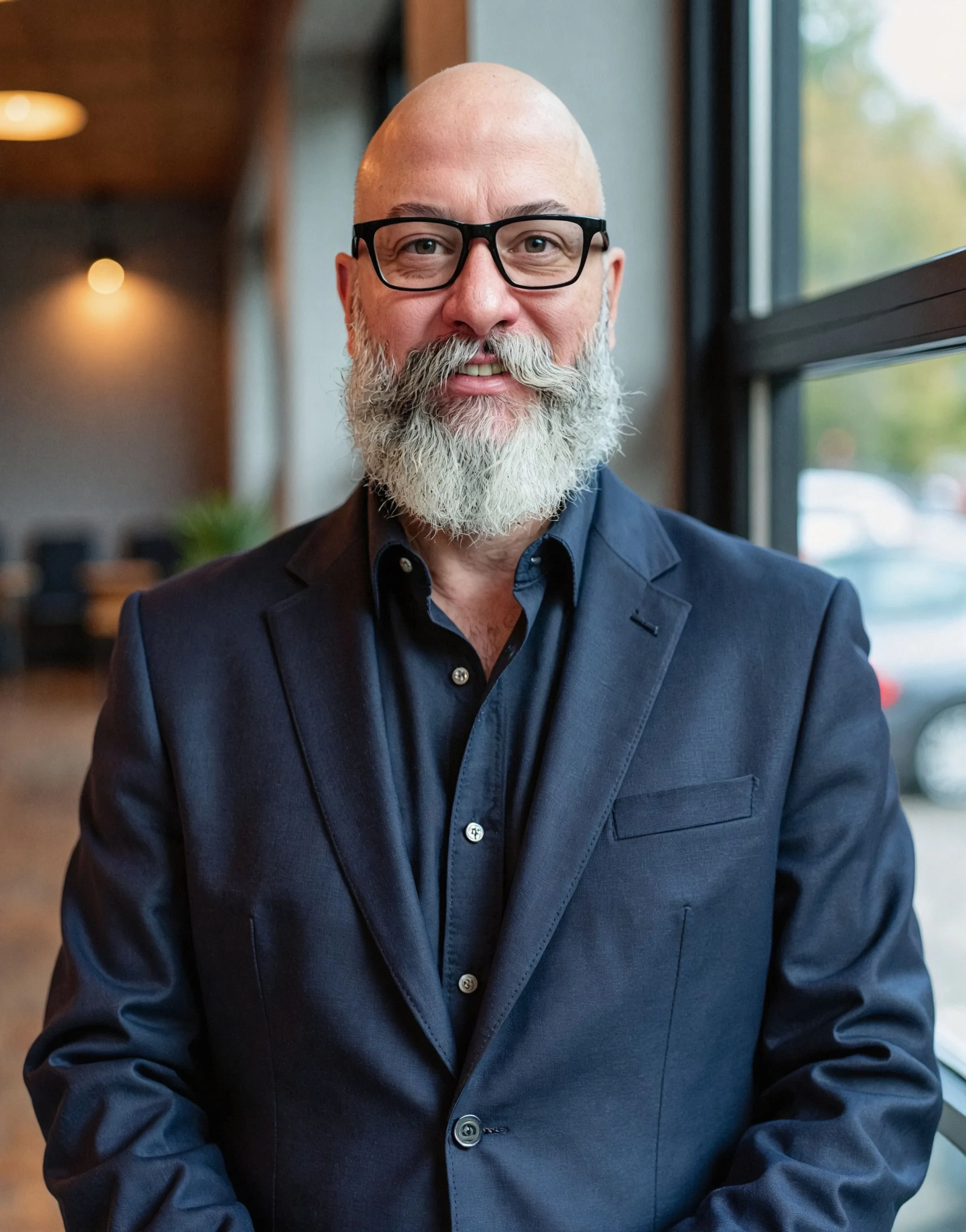
I’m Todd Davis, PhD. Licensed Alcohol and Drug Abuse Counselor (LADAC II) with 25 years of clinical experience. I’ve worked with couples in the relapse cycle long enough to know that this stretch of the work is different from everything that came before it. The stakes are higher. The patience is thinner. And what’s needed isn’t more of what already hasn’t worked.
I work from a framework built around psychological flexibility and values-based change, not compliance, not a program. The couples I work with stay in their lives and do this work in the middle of everything that matters to them. That’s not a convenience. It’s how real change becomes strength.
When You’re Ready
Start With a Conversation.
A free 30minute video consultation is available, no commitment, no pressure. Bring wherever you are in this. We'll talk through what the work actually looks like for your specific situation.
Knoxville · Farragut · Oak Ridge · Clinton, TN · Telehealth Available Across Tennessee