
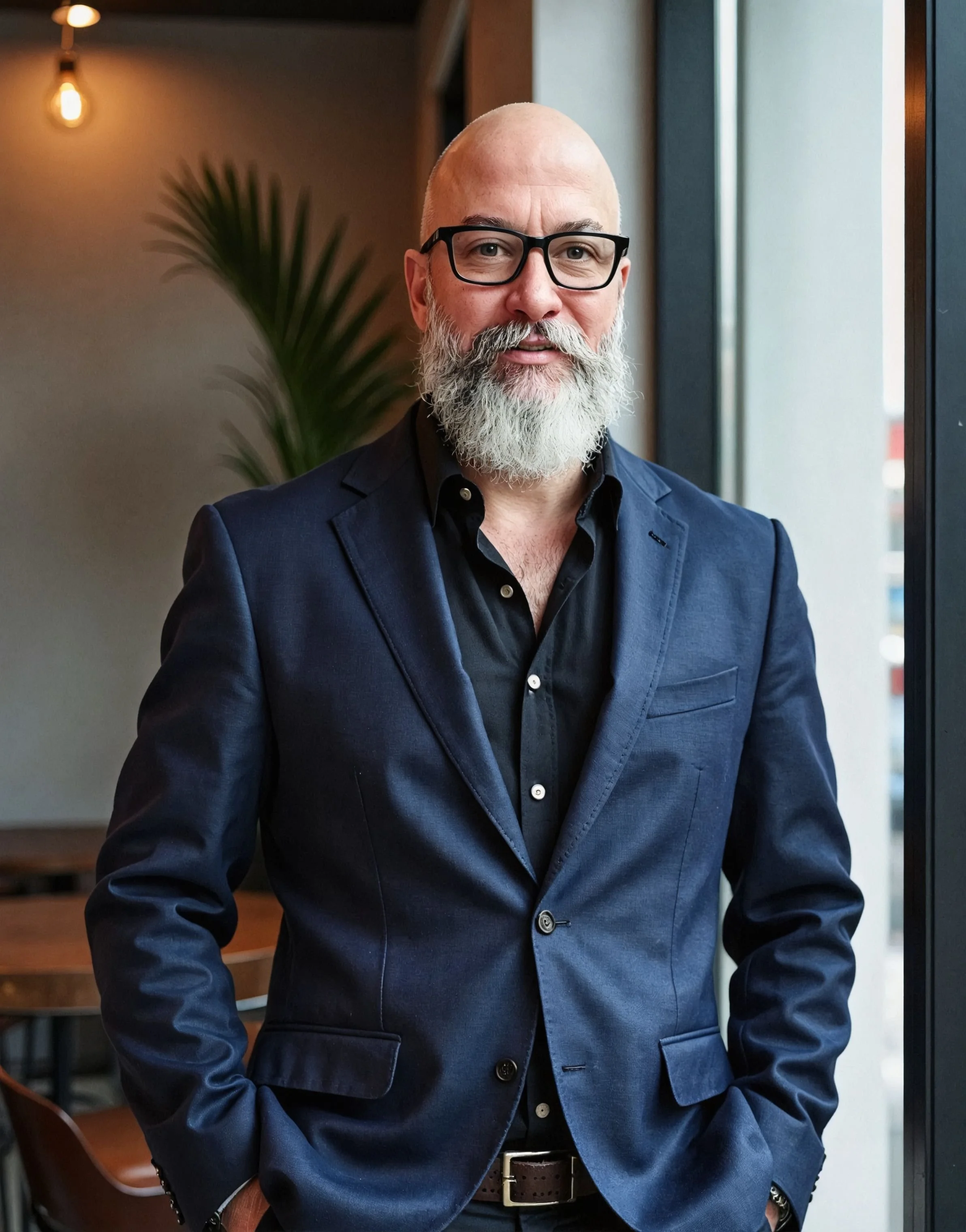
Addiction rarely stays with one person. It moves through a marriage and through a family, and by the time anyone calls, two people are usually carrying it in different ways.
You can do this work without leaving your life, your job, or the people in it. For most people, that is how recovery actually happens.
What Brought You Here
This is Real. I Have to Do Something.
You want help, and you want action. You want your life back on solid ground. And you do not want to disappear to get it. You want to stay close to the people and the life that matter.
What you are facing might look like one of these. Read the whole list, because the early ones happen quietly.
Conversations that used to go somewhere, and now stop
A partner who has stopped bringing it up, and you took that for things getting better
Kids who are pulling back, or the knowledge that you have not really been there
A marriage that is done waiting
The habit you have tried to control more times than you can count, and it is still running things
The war within, the negotiation nobody else sees, and the exhaustion of carrying it alone
A job that just became conditional on something you are not sure you can deliver
A random drug test, a board review, a professional license under scrutiny
One DUI, a real threat to the license, and by extension the job, the income, the life built around it
If you recognized only the last two or three, that is the usual place to start. The early ones do not announce themselves, and the picture you carry of your own life stays a few years behind until something forces it to update.
Until something does, there is nothing here that another drink will not fix tonight.
Your partner does not see it that way.
You Used to Be on the Same Side.
Sometimes nothing has landed yet. No DUI, no review board, no ultimatum. What there is instead is a fight the two of you keep having.
One of you needs it. To sleep. To walk into a room. To come down after a shift. To take the edge off a day that had too many edges.
The other one hates what it has done. To the kids. To the money. To who you both used to be.
So it goes like this:
You are drifting apart, and both of you have noticed
The arguments are getting sharper and more frequent
Each one replays the same demands and the same moves as the last one
You are living more separate lives inside the same house
One of you drinks more, feeling rejected and misunderstood
The other watches more closely, feeling alone and unseen
Somewhere in there, the two of you stopped being a team facing a problem and started being the problem to each other
Different positions. The same experience, wearing different clothes.
You are not your addiction. And neither of you is the problem.
A Different Way to See It
This Was Never Really About the Substance.
Discomfort is part of living. Pain, stress, loss, the weight of a hard season. Eventually all of it wants relief. Alcohol works. Drugs work. Whatever the substance, it does the job, temporarily, and tomorrow the discomfort is still there, so you do it again. That is not a character flaw. That is a loop, and everyone is in some version of one.
Here is the part that gets missed. The person watching is in a loop too. Checking. Counting. Reading a tone of voice for evidence. Managing the calendar so the bad night does not happen again. That is also a strategy for handling something painful, and it also works, temporarily, and it also costs more every year.
Two people, two strategies, both of them doing the same job and neither one getting anybody what they actually want.
The question nobody asks is what you do with the discomfort instead. Stopping the substance does not answer it. Watching harder does not answer it either. Finding a better answer, and building a life worth moving toward, is what this work is actually about.
What Most People Assume
You Don’t Have to Leave Your Life to Change it.
The default assumption is straightforward: a serious addiction problem means detox and a treatment program. Leave work, enter treatment, come back different. For some people that path is necessary. But for most people who come through this door, it isn't.
Inpatient rehab is appropriate for some people. But the assumption that serious means residential isn't supported by the research. For people with social support, stable housing, and real motivation; which describes most people who sit down here, the evidence doesn't show inpatient to be more effective than well-structured outpatient work. A year of dedicated outpatient work costs a fraction of inpatient rehab. And the skills get built and tested in your daily life, where it matters most.
And there is something worth saying plainly. Whatever route you take, the change you want happens where you actually live. Inside your own skin, inside your relationship, inside an ordinary week. The heavy lifting is showing up for it each day, as best you can.
What Happens Here
You Do Not Have to Agree About the Drinking to Start.
Most couples who land here are stuck on one question. One of you thinks the answer is stopping completely. The other is not convinced that is necessary. Neither of you will move, because moving feels like losing the argument.
We do not start there. We start with the one thing you already agree on, which is that something needs to change. That is enough.
What we move toward is not a number. It is a relationship where two people are present, able to listen without judgment, able to stay connected through a hard conversation instead of leaving it. Those are skills. They can be built. And they turn out to be the thing that makes better options possible for both of you, because the drink and the vigilance were both standing in for something that was missing.
Between sessions there's usually something to try, a small action tied to something you care about. You let me know when you do it. The next session follows what actually happened that week.
Recovery doesn't happen in a room. Part of this work is building the surrounding structure, people who know what's going on, community, things worth showing up for. That's what makes the change hold when the urgency fades.
A Whole New Relationship, Not a Return to the Way It Used to Be.
Most people come in wanting things back the way they were. That is worth saying out loud: the way it was is where this started. What is worth building is something that has not existed yet.
A year or more in, at a pace that fits your life:
You can be present for each other, and listen without judgment
You know what to do when one of you gets defensive and the conversation shuts down
You can think differently about what an argument is actually about, and stay connected through it
You move toward experiences more satisfying than another drink or another night of vigilance ever could be
You handle what comes with willingness, acceptance, and an emotional grit that was not available to you before
The old coping strategies lose their hold, and you understand far better why you reached for them in the first place
Nobody here is going to tell you that what you did to get through was stupid. It worked, for a while, and then it stopped.
And you feel safe, understood, respected, and accepted by the person you are building this life with.
Is This the Right Fit
A Year of Real Work in Your Actual Life
This work is for someone with a sticky habit, alcohol, pornography, gambling, something that's been hard to keep within limits, who is willing to invest a year in changing it. Not every week, at a pace that fits your life. But consistent enough through all the seasons to know the change is real and durable.
Most people come in with something urgent pressing on them. That urgency is useful, until it lifts. When the immediate pressure eases, the temptation is to stop. That's the most dangerous moment. The work during that year is building enough reasons to keep going that the habit loses its grip for good, not just while the stakes are high.
A partner or family member with a stake in this can be part of the work, and usually should be. Recovery is not a solo project.
Some people need medical detox, inpatient stabilization, or transitional living before outpatient work is possible. If that's the situation, I'll say so and help find the right path. That's not a failure, it's knowing what the situation actually needs.
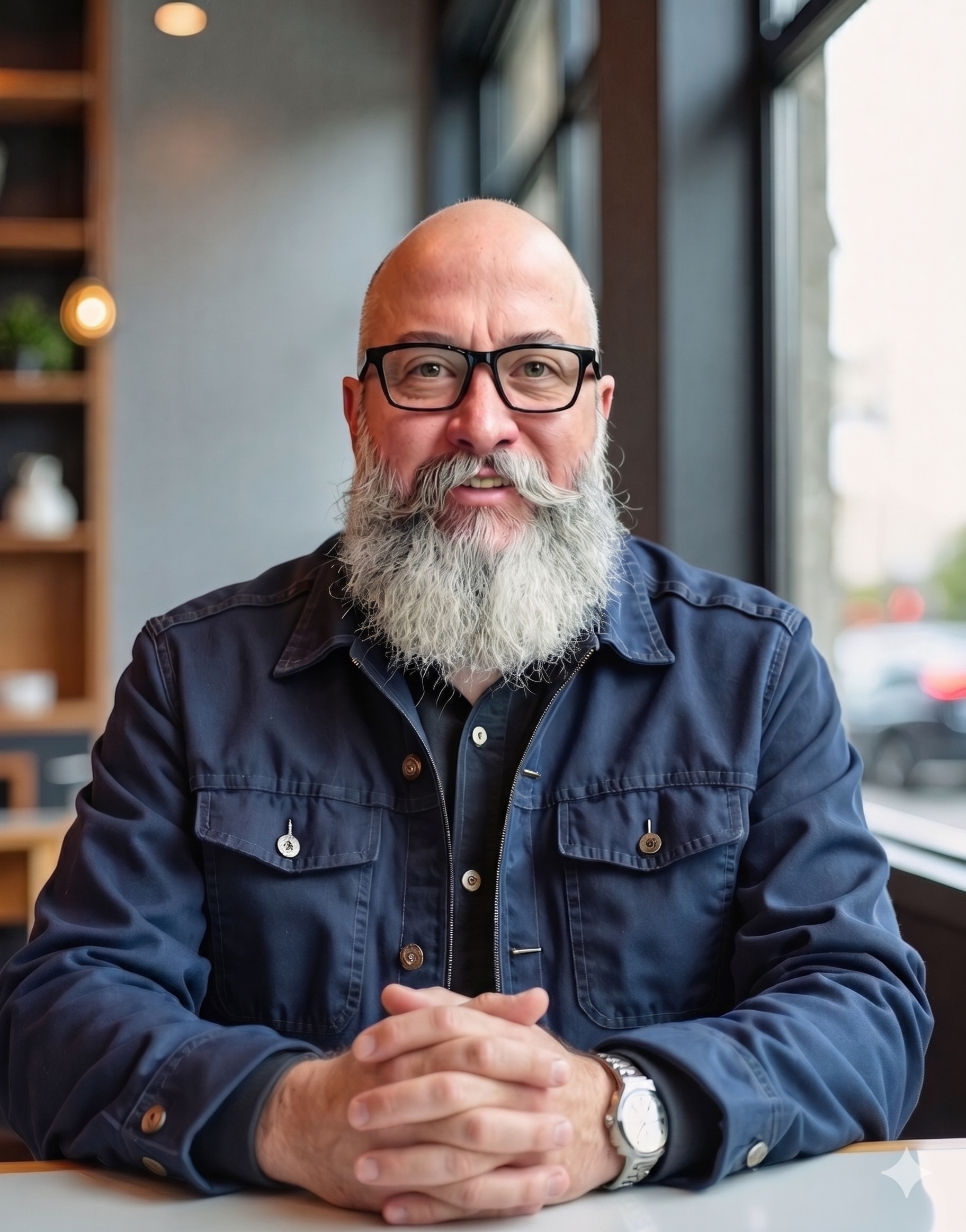
About Todd Davis
25 Years. One practitioner. No Program.
I’m Todd Davis, PhD, a Licensed Alcohol and Drug Abuse Counselor (LADAC II) in Knoxville, Tennessee.
I work with people touched by addiction, whether you are the one using or the one living alongside it, and often with both at once. I use practical tools rather than protocols, and I work with what is actually happening in your week.
The goal is not sobriety as an endpoint. It is the strength and the flexibility to live a life built to fit you.
Where To Next
Either of You Can Start.
A free thirty minute video conversation. No paperwork, no intake, no commitment. We will get to know one another a little, understand your specific situation and what you are looking for, and you will have time to ask whatever questions you have.
If addiction is in your marriage, both of you should be on this call. Two people are living it, and the work involves both.
If your partner is not ready, make the call anyway. That is worth talking about too.
Knoxville · Farragut · Oak Ridge · Clinton, TN · Telehealth Available Across Tennessee
Explore Further
More Ways to Go Deeper
Marriage & Addiction Counseling — when it is in the marriage and you are both in it
Living With a Spouse Who Relapses — change keeps arriving and leaving again
Drinking and Anxiety — when it never looked like drinking, it looked like anxiety
Free Life Assessment — where you stand across every part of your life